
Field Notes
On the Frontier
This is a living laboratory. It features experiments in human-AI collaboration, creativity, and business management.
All My Time (2010)
This album is a grab bag of tracks that never made it onto a LP that Gabe I recorded under our Lower Stacks project, but they sit right at the heart of that writing period. You get pop songs here, song suites, character songs, musical tunes, tuning experiments, and more.
Note and Flame EP (2019)
One day when I was in a transitional state between jobs — I’d accepted a new job while I was still working at the old one — I set up my iMac on the kitchen table and brought my recording equipment with it. I was alone in the house and had never recorded in the kitchen, so I thought I’d give it a try, because I liked the acoustics in the space. The wood floors and size of the room created a warm and full sound.
Provoking Action: What StoryBrand 2.0 Taught Me About Bold, Clear CTAs
Donald Miller challenges readers to be bolder and clearer with their calls to action. In a way, he is enacting his advice, because passive statements don’t challenge customers to actually buy anything:
[M]ake your call to action clear by asking customers a yes/no question. Statements like ‘If you’re interested, let me know’ do not prompt our customers to accept or reject our offer and instead send them off into a whirlwind of confusion. The chances of our customers going home, pouring a drink, and meditating on our vague offer are next to zero, so don’t expect to close many sales if you’re passive and confusing.
I Will Remember You EP (2006)
I went through quick phases with my music, especially in the early days of my songwriting. Around 2006 I discovered Gillian Welch and really loved the slow vibe of her music. I couldn’t figure out how to sing with it, which was fine. I was most interested in capturing the feeling of the music, so these are entirely instrumentals.
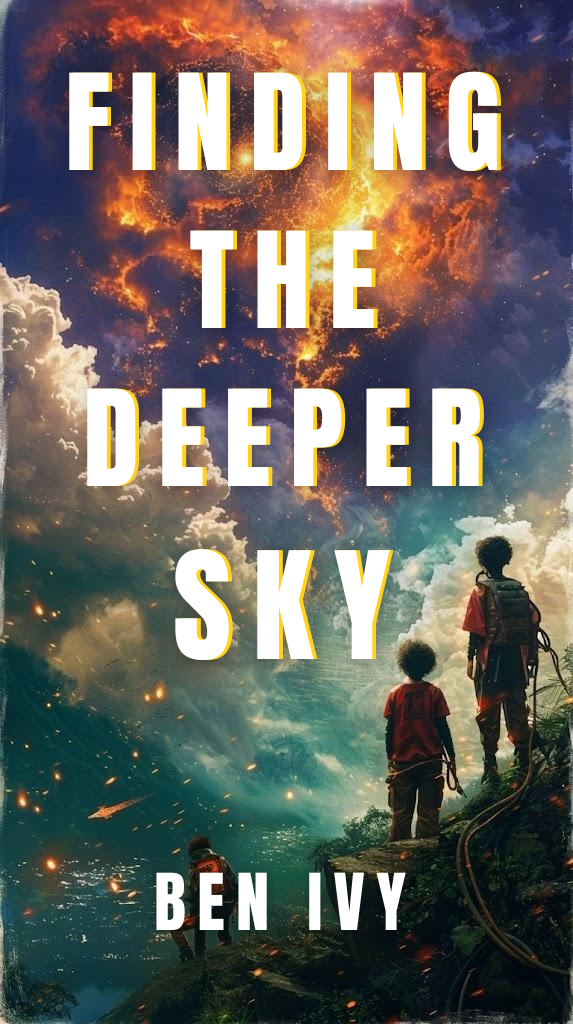
Finding the Deeper Sky (2026)
For fourteen-year-old Koa, the "Island" is more than a place on the map. It’s the humid scent of the mangroves, the rhythmic pulse of the surf, and the two best friends who have been his only constant through his parents’ crumbling marriage. But on Monday morning, it all ends. A flight to Seattle, a new school, and a life of "summer visits" are all that remain.
With seventy-two hours left on the clock, Koa, Boz, and Mako retreat to a final sanctuary: a "frankensteined" virtual world built from their own collective dreams. It was supposed to be a goodbye. Instead, the simulation glitches, stitching their three separate levels into a single, seamless prehistoric gauntlet that refuses to let them go.
To conquer the game and save a piece of their home, the trio must protect a single, fragile sea turtle egg through a world that is literally deleting itself behind them. From the suffocating stillness of the Mangrove Swamp to the mechanical terror of the Raptor Nest to the bone-crushing gravity of the Obsidian Peak, they learn that true bonds run deeper than code.
In a world made of sharp edges and falling ash, Koa is about to discover that "conquering" is not about winning. It’s about knowing when to let go.
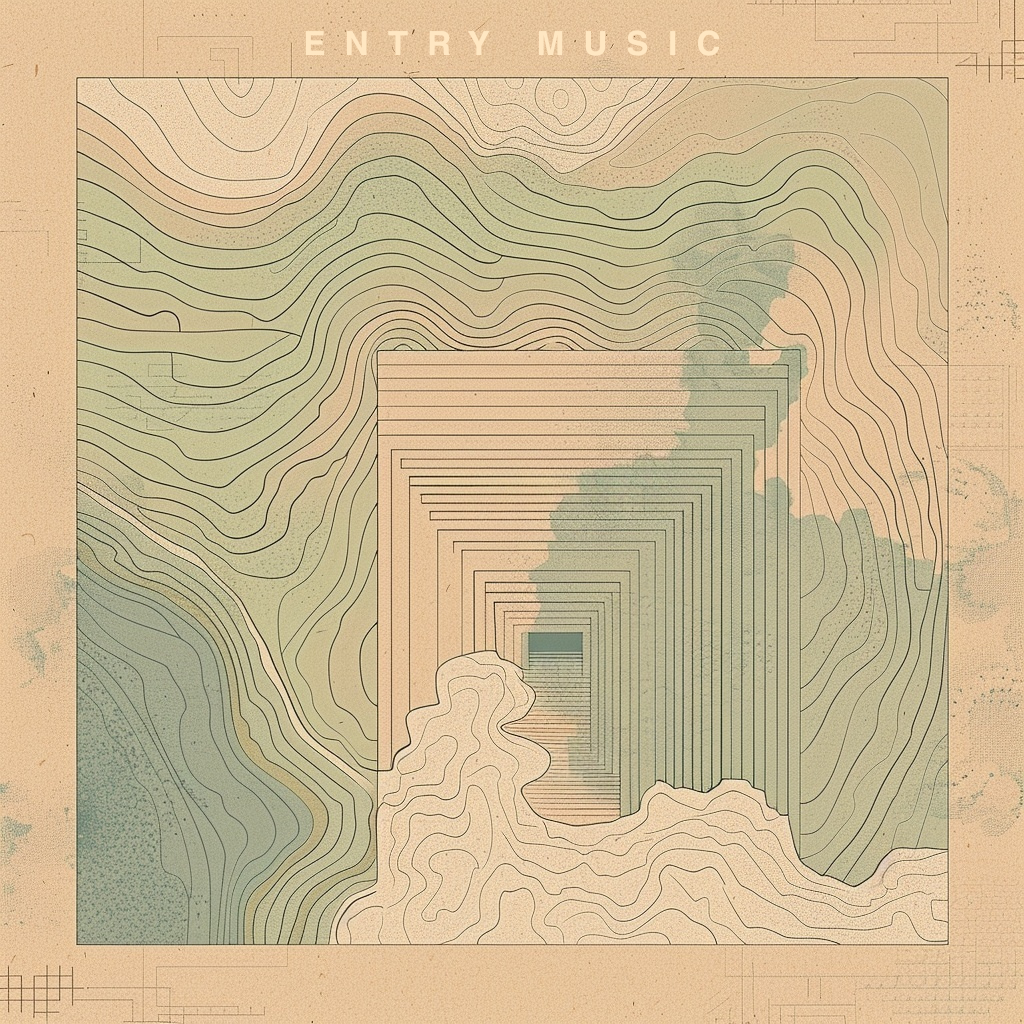
Entry Music (2008)
When I started graduate school in 2008, I bought a Mac laptop for the first time and immediately started experimenting with GarageBand. Initially, the concept for this music was that it would function as theme music for a podcast or some other radio program. I didn’t have a specific program in mind, but that was the driving force behind the idea.

Using AI to Build a Political Platform: Let’s Rebuild America
Yesterday, as I was reading Storybrand 2.0, I noticed that Donald Miler naturally gravitated toward political analogies when discussing the importance of putting power in the hands of customers (i.e. the people). So I thought it would be fun to use the AI tools to develop a political platform.


Words I Keep Deleting From AI Drafts
There are words that will appear again and again in the drafts you receive from your AI writing partner. I’ve taken to deleting them all.

Notes on Customer Desire, Story Gaps, and Conflict
The only reason our customers buy from us is because their external problem is frustrating them in some way. If we can identify that frustration, put it into words, and offer to resolve it along with the original external problem, we do more than just sell our customers products; we bond with our customers because we’ve positioned ourselves deeply into their narrative.
Embryonique (2005)
One of the best things to happen to me as a songwriter was to make music using FrutiyLoops. A friend I worked with in the Twin Cities added the program onto my computer and soon I was creating all sorts of songs with the program.
Notes on Customer-Centered Messaging and Clarity
The essence of branding is to create simple, relevant messages we can repeat over and over so that we ‘brand’ ourselves into the public consciousness.
Badlands (2006)
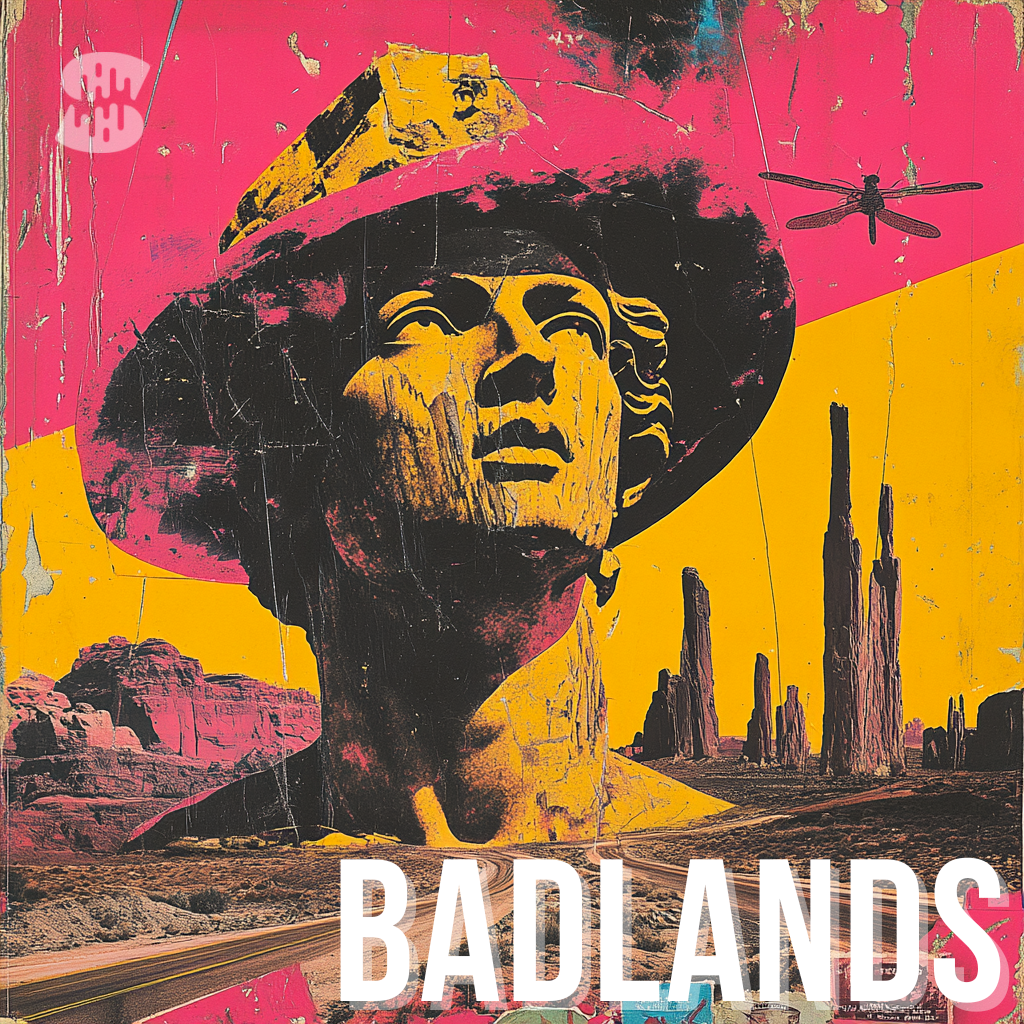
Badlands is the first album where I thought I might be writing legitimately good music. One of these songs (“Deserter”) would show up as the opening track on the second Lower Stacks album Love In All Directions (2018). That version is nearly all instrumental. This one is sadder and slower and has singing. I think this one is better.

Spotting AI Writing Ticks in Fiction Drafts
Thinking of this particular quirk, I suspect it’s because of a lack of dramatic action or emotion. The character is not doing anything other than noticing and thinking, nor does she have any emotion to play off of other than her own desire to suppress her emotions. And in order to make this moment somehow feel important (or deeper), the AI leans on this quirk of the character noticing something and filing it away, a kind of office-like rendering of the act of repression.

Using AI Without Letting It Do Too Much
Even though I didn’t use what AI suggested, I liked the idea of bridging, so I kept that. I also like that idea that the website would be a collaboration between (or a combintation of) the traditional and the new. So even when I don’t adopt the writing, it’s often very helpful to have something to consider and to pick the parts that I connect with, and then go from there.
When AI Starts Writing in Circles
My on-going theory is that AI will write laughable sentences when it is struggling to find interesting things to say. And that’s because the planning is off. The drama has dried up. The characters have flattened. The juice—if it ever existed—has been squeezed out of your story.

What I’m Learning from Donald Miller’s Building a StoryBrand 2.0
Most businesses tell confusing stories and that’s not what customers want. They want clarity. Your story needs to be very clear. The human brain is wired to survive and if you want to make customers pay attention, then you need to tap into that impulse. Eliminate the noise. Highlight what you offer that will help them “survive and thrive.”